For US Patients and Their Support Networks


IT TAKES
going beyond symptom management
TO LIVE WITH MY NARCOLEPSY TYPE 1
—CASEY, living with NT1
Stay updated on your Epworth Sleepiness Scale (ESS) score
The Epworth Sleepiness Scale (ESS) is a questionnaire commonly used by physicians to measure the severity of daytime sleepiness by rating how likely an adult is to doze off or fall asleep in 8 common situations such as reading, watching TV, or talking with someone.
It’s important to document your scores and symptoms as this can help you have open and productive discussions with your doctor.
The more you share with your doctor, the closer you can get to better managing your NT1
NT1 is rare and complex, and everyone’s journey is different. While opening up to your doctor can be challenging, it’s important to discuss the impact it has on you, including how your symptoms affect personal and romantic relationships. These in-depth conversations with your doctor can help you develop a more comprehensive approach to managing your NT1.
~ 70%
of people with narcolepsy, out of 254 who were surveyed, reported that their healthcare provider had never asked them about the impact of narcolepsy on their social life
90%
of people with narcolepsy, out of 254 who were surveyed, reported their healthcare provider had not asked about their sex life
Get the conversation going
Here are some ideas to bring to your next meeting with your doctor
From canceling social plans, to falling behind at school or work, be sure to describe to your doctor in detail the many ways in which NT1 affects your life.
Here are some examples you can share with your doctor for deeper insight into how your NT1 can affect your life:
- How often naps interrupt your daily schedule
- How many cataplexy events you have per day or week and how disruptive they are to your daily life
- How brain fog or forgetfulness affect your performance at work or school
- How and when you experience vivid dreamlike experiences and how you feel during/after them
- How automatic behaviors (doing things like routine tasks and having no memory of them) affect your daily responsibilities
- What activities take a lot more energy because of your NT1
- What activities you would like to pursue but avoid because of your NT1
Don’t stop at sleepiness and cataplexy—talk about all the symptoms and challenges you experience so your doctor can more effectively help you. Some symptoms people with NT1 may experience:
- Trouble concentrating or paying attention
- Changes to their mood
- Challenges at work or school
- Difficulties in social situations
It can be frustrating and exhausting to describe your symptoms without seeing improvements. Make sure you’re not being dismissed and that you don't just accept feeling “a little better.” Be honest when you’re not getting the relief you deserve.
The search for comprehensive care
Because narcolepsy type 1 is a serious neurological condition, finding management strategies that are right for you can be challenging
Finding comprehensive narcolepsy type 1 (NT1) management can feel like an emotional roller coaster that requires patience and determination. It can be a long journey of trial and error, and frequently can involve multiple treatment methods and lifestyle modifications. Talk to your doctor to determine what may be best for you.
Click each of the categories below to see what some patients have to say about managing their NT1.

Giving myself enough cushion time for a nap is imperative.
—JUSTICE, living with NT1

Avoiding alcohol and excessive caffeine.
—JUSTICE, living with NT1

When I do have certain activities that require a little bit more commitment and energy, it may take me 2 or 3 days to recover.
—SHARON, living with NT1

I do still have to manage my day to accommodate NT1, and there are things that I once loved to do that I can’t do anymore, such as singing karaoke, because of cataplexy.
—MACHEL, living with NT1

I take nighttime and daytime medication. They do help, but I still do have symptoms. Like, I’m still tired every day. And that doesn’t go away.
—TARA, living with NT1
See how others cope
Hear more personal stories about how people manage their NT1.
Managing your condition can make it feel like you have to plan every second of your day
NT1 care is complex, and many people still struggle to get their symptoms under control.



I literally live my life by a clock, so I’m constantly just calculating how much time do I have to allocate before I become tired.
—JUSTICE, living with NT1
Understanding NT1 symptoms through the language of the NT1 community
NT1 symptoms are disruptive to daily life, and can be difficult to describe to friends, family, and even a doctor. Here are some popular words and phrases that the NT1 community has used to express their symptoms, along with the clinical term that a doctor may use. While this list is for educational purposes only, the more people with NT1 and their healthcare providers speak the same language, the better everyone can work together. As always, talk to your doctor about any symptoms you may be experiencing.
When you’re technically awake, but are so tired you don’t really feel like you’re there.
What your doctor calls it:
Excessive daytime sleepiness. Overwhelming drowsiness during the day, no matter how much rest you get.
When your brain thinks you’re awake but you’re technically still half asleep.
What your doctor calls it:
Hypnopompic and hypnagogic hallucinations. Vivid, dreamlike experiences when waking (hypnopompic) or falling asleep (hypnagogic).
Suddenly losing control of your muscles either subtly or completely. Can feel like a “weight” coming over you.
What your doctor calls it:
Cataplexy. A sudden muscle weakness ranging from facial drooping to a full body collapse that’s often triggered by strong emotions.
Feeling paralyzed and tingly during sleep.
What your doctor calls it:
Sleep paralysis. Temporary inability to move or speak when falling asleep or waking up.
Being on autopilot and not remembering a task.
What your doctor calls it:
Automatic behaviors. Doing routine tasks without full awareness.
Feeling out of focus and having trouble remembering things.
What your doctor calls it:
Cognitive difficulty. Having trouble with concentration and memory.
Feeling like no one understands how hard daily life is with NT1.
What your doctor calls it:
Emotional or mental health challenges. Because NT1 is caused by a loss of orexin, which regulates many key functions in the brain, the impact goes beyond just physical symptoms.
Stay informed
Get educational content that can help you better understand NT1.
Recommended for you

Living with NT1
See what it takes to live with a chronic neurological condition.
NT1 science
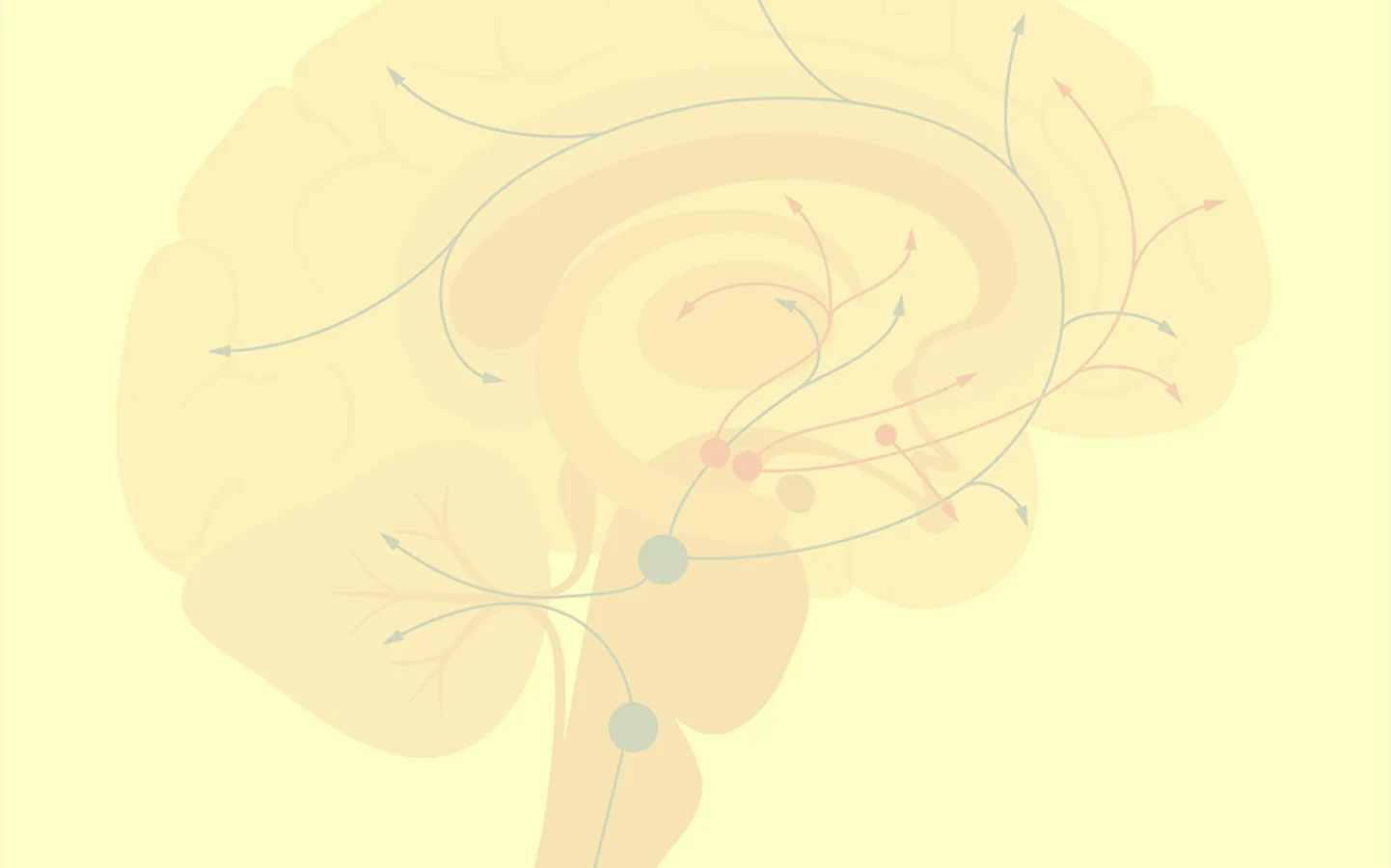
Learn about an important brain chemical missing from people with NT1 and how it can affect daily functioning.
Follow us on social


